Best High-Yield Vegetables for Beginner Gardeners: Top Picks for Your Garden

Hey there! Some links on this page are affiliate links which means that, if you choose to make a purchase, I may earn a small commission at no extra cost to you. I greatly appreciate your support!

When it comes to getting the most out of your garden, choosing the best vegetables for high yields is essential. 

Whether you’re planting in raised beds, containers, or traditional garden plots, growing high-yield vegetables will offer abundant harvests with minimal fuss.

I grow nutritious, fresh food for my community on a one-acre intensively planted Certified-Naturally-Grown market garden. In the past four years, I’ve learned a lot about maximizing yields and making my garden sustainable.

On a smaller scale, growing food to feed your family is a hot topic right now, and there are very specific veggies you can grow for INSANE yields.

With just a bit of planning, you can look forward to harvesting champion crops that keep your kitchen well-stocked. Let’s dive in:

Tomatoes: The Backyard Garden Superstar

Tomato plants are an essential part of any high-yield garden due to their productivity and versatility. From cherry tomatoes to beefsteaks, this section covers key tips for optimizing your tomato harvest, from choosing the right varieties to effective growing techniques.

Why Tomatoes Are A Must-Have For High-Yield Gardens

Tomatoes are incredibly productive, offering multiple harvests throughout the growing season. They can be added to various recipes, making them a versatile choice.

Additionally, they are relatively easy to grow if given the right conditions, which include plenty of sunlight and well-drained soil.

Their high yield means you’ll have a ton of fruits suitable for fresh consumption, cooking, and preserving. Homegrown tomatoes also tend to be more flavorful and nutritious than store-bought ones.

Best Varieties For Beginners (Cherry, Roma, Beefsteak)

Cherry Tomatoes: These small, sweet tomatoes like ‘Sun Gold’ and ‘Sweet 100’ and “Black Cherry” are perfect for snacking and salads. They are prolific and relatively easy to grow, making them ideal for beginners.

Best Vegetables for High Yields
Customer Favorite
Botanical Interests- Sungold Cherry Botanical Interests- Sungold Cherry
  • These tangerine cherry tomatoes are very sweet and slightly tart, and my customers LOVE them.
  • They are indeterminant and produce for MONTHS on end.
  • You won't be sorry you tried them!
We earn a commission if you make a purchase, at no additional cost to you.
Hoss Tools- Supersweet 100 Tomatoes Hoss Tools- Supersweet 100 Tomatoes
  • The Supersweet 100 is a rockstar and you've probably already heard of it.
  • Supersweet 100s always do well in our 8A climate.
  • They are vigorous, resist disease, and taste amazing.
  • For many gardeners who only have a small space to grow in, a Supersweet 100 or 2 will produce all the cherry tomatoes they can eat.
We earn a commission if you make a purchase, at no additional cost to you.
Our Pick for High Production
Black Cherry Tomatoes Black Cherry Tomatoes
  • Sweet taste, almost like a cherry
  • Super prolific and very crack-resistant without being tough
  • Workhorse tomatoes of the garden
We earn a commission if you make a purchase, at no additional cost to you.
San Marzano Paste Tomatoes

Roma Tomatoes: Known for their dense flesh and fewer seeds, Roma tomatoes such as ‘San Marzano’ are excellent for sauces and canning. They grow in clusters and typically require less maintenance.

Best for Preserving
San Marzano Paste Tomato San Marzano Paste Tomato
  • San Marzano may very well be the mother of all paste tomatoes
  • For generations, Italians have cherished this large paste tomato as the very best for sauce and canning.
  • Vigorous vines reach 6' or more.
We earn a commission if you make a purchase, at no additional cost to you.

Beefsteak Tomatoes: If you need bigger tomatoes for that yummy tomato sandwich you’ve been craving, beefsteak varieties like ‘Beefmaster’ are great. They are perfect for slicing and use in sandwiches. Their robust size and flavor make them a favorite, and they definitely need more staking and support due to their weight.

Lots of 2 Pound Fruit!
Beefsteak Tomato Beefsteak Tomato
  • A timeless classic beefsteak tomato from the collection of legendary heirloom seed expert William Woys Weaver.
  • Ideal for slicing, the fat, oblate fruit about 4 to 5 inches in diameter features maroon or brownish-purple flesh with a red “bloody” center.
  • It received the name Beefsteak because it resembled raw, aged beef.
  • This meaty slicer is appreciated for its mighty heft and balanced smoky-sweet flavor.
  • Treat it as a late-season tomato. Due to the heavy fruit, plants should be staked or caged. 
We earn a commission if you make a purchase, at no additional cost to you.

Tips For Maximizing Tomato Yields (Pruning, Staking, Fertilizing)

Proper care will significantly boost your tomato yields. Pruning helps increase air circulation and sunlight penetration.

Remove the suckers, which are small shoots emerging between the leaf and the stem. You should also prune all the shoots that emerge up until you get to the first cluster of fruit.

Staking or using cages supports the plants and keeps the fruits off the ground, reducing the risk of diseases. If you have a few plants that won’t get too tall, cages work GREAT. If you have several plants, consider using a cattle panel trellis.

Cattle Panel Trellis

Fertilizing is essential; use a balanced fertilizer once every few weeks since tomatoes are HEAVY feeders.

Y’all know me: my market garden is Certified Naturally Grown and I grow beautiful vegetables with NO synthetic chemicals.

Here are the organic products I recommend to make sure your high-yielding veggies ACTUALLY give you high yields:

My Pick for Liquid Organic Fertilizer
AgroThrive All Purpose Organic Liquid Fertilizer - 3-3-2 NPK (32 oz) AgroThrive All Purpose Organic Liquid Fertilizer - 3-3-2 NPK (32 oz)
  • Won't clog drip irrigation systems
  • Plants love this gentle all-purpose organic fertilizer
  • Can be diluted to be used for seedling fertilizer
We earn a commission if you make a purchase, at no additional cost to you.
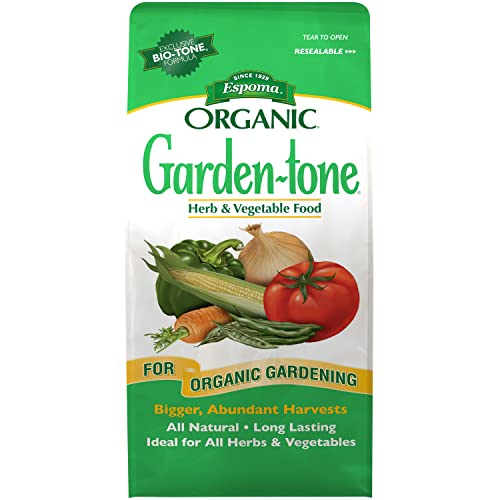
Espoma Organic Garden-Tone 3-4-4 Organic Fertilizer for Cool & Warm Season Vegetables Espoma Organic Garden-Tone 3-4-4 Organic Fertilizer for Cool & Warm Season Vegetables

This is my go-to organic fertilizer for every crop I grow. I have a ton of things to think about when starting a garden, I like that I can use this fertilizer in containers and in-ground and my plants always love it. I don't ever have to wonder if my plants will do well with this fertilizer.
We earn a commission if you make a purchase, at no additional cost to you.

Additionally, watering consistently and mulching to retain soil moisture are crucial practices. Ensuring these practices will lead to healthier plants and more abundant harvests.

Common Problems And How To Avoid Them

Tomatoes can face issues like blight, blossom end rot, and pests.

Blight can be controlled and reduced by ensuring good air circulation and avoiding overhead watering. Use neem oil or a copper fungicide to get a handle on your fungus issues. You can also choose to grow determinate tomatoes to cut down on fungus issues.

Blossom end rot is often caused by calcium deficiency or inconsistent watering. Regular, even watering can help prevent it. If your soil is lacking calcium, consider calcium supplements. In the past, I’ve used this Cal-Mag supplement in my irrigation system to stop blossom end rot.

Bloom City Professional Grade Ultra Pure Cal-Mag Growing Fertilizer,Gallon (128 oz) Bloom City Professional Grade Ultra Pure Cal-Mag Growing Fertilizer,Gallon (128 oz)
  • Tons of micro-nutrients that are bio-available to plants.
  • I've used this to combat blossom-end rot for tomatoes and peppers.
We earn a commission if you make a purchase, at no additional cost to you.

Pests like aphids and hornworms can damage your plants. Handpicking pests or using insecticidal soap can effectively manage them. Crop rotation is another strategy to avoid soil-borne diseases.


Zucchini And Summer Squash: The Overachievers

Zucchini and summer squash are perfect for gardeners seeking high-yield vegetables. They are not only easy to grow but also incredibly versatile in the kitchen.

Benefits Of Growing Zucchini And Summer Squash

Zucchini and summer squash are known for their prolific fruit production. A single plant can yield an abundance of vegetables throughout the growing season.

They mature quickly, allowing multiple harvests.

These vegetables are also nutrient-rich, providing vitamins A and C, potassium, and fiber.

Their versatility in culinary uses, from grilling to baking, makes them valuable additions to any garden.

Additionally, summer squash varieties are excellent for garden space efficiency, often producing high yields in relatively small areas.

Best Varieties for High-Yields

Shockingly High Yields
Green Machine Zucchini Green Machine Zucchini

From High Mowing Seeds:


Aptly named for cranking out uniform fruits of exceptional quality over a long season.

This vigorous variety produces nearly flawless cylindrical fruits daily in the high season. With an open and upright habit for ease of harvest and disease resistance that keeps plants healthy for the long haul, Green Machine F1 is consistently a top performer for commercial production.

  • Harvest at 7-8"
  • Bush-type habit
  • Hybrid

Disease Resistance Details

Intermediate Resistance: Cucumber Mosaic Virus, Powdery Mildew, Watermelon Mosaic Virus, Zucchini Yellow Mosaic Virus


We earn a commission if you make a purchase, at no additional cost to you.
White Patty Pan
Moonbeam Hybrid Squash F1 Moonbeam Hybrid Squash F1

From Hoss Tools:

  • Moonbeam Squash is a hybrid, patty pan squash variety that produces heavy-yields of pie-shaped, white fruits on bush plants.
  • Excellent texture and nutty squash flavor. C. pepo. 
  • 50 days to maturity.
We earn a commission if you make a purchase, at no additional cost to you.
Lots of Squash!
Early Prolific Straightneck Summer Squash Early Prolific Straightneck Summer Squash
  • Thick, firm, fine-grained delicious squash is ready to harvest in just 45 days!
  • Best picked at 4"–7", or smaller for "baby" size.
  • Just 5 plants supply all the needs for my self-serve honor system farmstand!
We earn a commission if you make a purchase, at no additional cost to you.

Planting And Care Tips For Abundant Harvests

For a thriving zucchini or summer squash garden, plant in well-drained soil enriched with organic matter.

Full sunlight is crucial, ideally offering at least six hours of direct sun daily.

Space plants 2 to 3 feet apart to ensure adequate airflow and to prevent fungal issues.

Summer Squash

Water consistently, aiming for deep watering sessions rather than frequent, shallow watering.

I don’t recommend mulching your zucchini or summer squash because adding that organic matter to the stem area just gives squash bugs and vine borers plenty of space to hide and reproduce.

Fertilize with a balanced fertilizer at planting and once fruiting begins.

Inspect plants regularly for signs of pests such as squash bugs or vine borers. Early detection and intervention are key to maintaining healthy plants.

You should also be prepared to plant succession plantings of these crops every 2-3 weeks, since they can succumb to pests more easily than other types of crops.

Creative Ways To Use Your Bumper Crop

The versatility of zucchini and summer squash is crazy, y’all.

Grilled zucchini slices make a delicious, healthy side dish. You can also stuff and bake them for a hearty meal.

Consider spiralizing zucchini to create a low-carb alternative to pasta. Baking enthusiasts might enjoy making zucchini bread or muffins.

Thinly sliced summer squash can be an excellent addition to salads.

Bush Beans: Easy-Peasy Protein Powerhouses

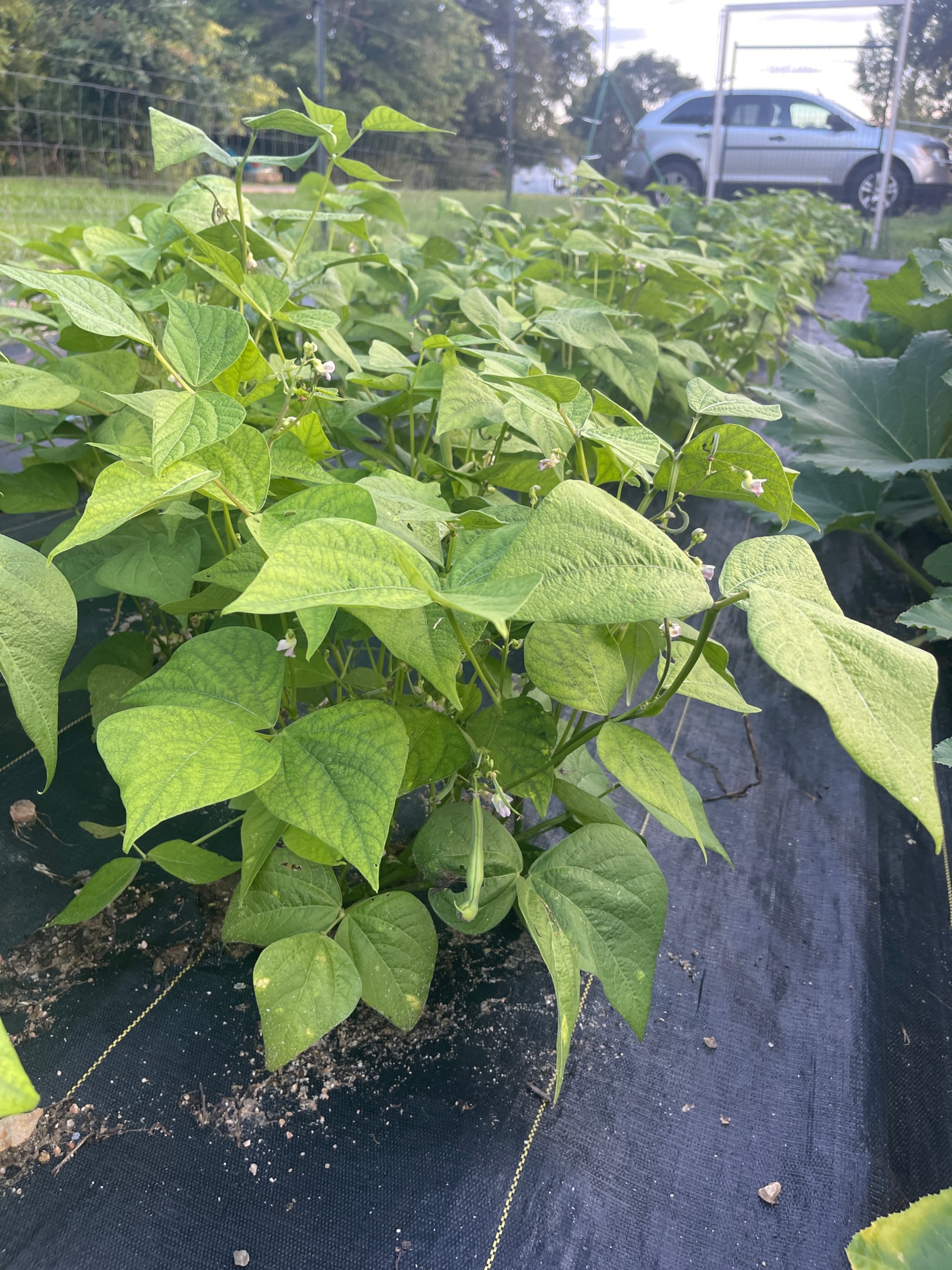
Bush beans are a type of green beans and are an excellent choice for gardeners at all levels. They’re known for their fast growth, ease of care, and high yield potential, making them a practical addition to any garden.
 

Advantages of Bush Beans Over Pole Beans for Beginners

Bush beans are compact and require minimal support compared to pole beans. They mature faster, often within 50 to 60 days, meaning you can enjoy fresh beans sooner and with less effort.

Bush varieties are also easier to manage as they stay low to the ground, eliminating the need for trellising.

Because of their smaller size, bush beans are ideal for container or small-space gardening. They are also excellent for beginner gardeners because they are generally disease-resistant and less prone to pest issues than other beans.

Top-Yielding Varieties to Try

Choosing high-yield varieties can maximize your harvest.

Provider is a popular choice, maturing in about 50 days and offering tender, stringless pods.

Provider Bush Beans Provider Bush Beans

From Hoss Tools:

  • Provider Bush Bean is a heavy-yielding bush bean that can be planted earlier and will produce earlier than traditional bush bean varieties.
  • Produces uniform, 5 – 5 1/2″ pods that are uniform and round. 
We earn a commission if you make a purchase, at no additional cost to you.
My Customers' Favorite!
Maxibel French Filet Beans Maxibel French Filet Beans
  • Long and thin, stringless french-style green bean.
  • Heavy yields, sweeter than other varieties.
  • These are my market customers' favorite green beans.
We earn a commission if you make a purchase, at no additional cost to you.

Succession Planting for Continuous Harvests

To keep your garden productive, practice succession planting.

Sow bush beans every two to three weeks during the growing season to ensure a continual supply.

Start planting after the last frost when the soil has warmed up to 60 degrees Fahrenheit.

Provider Bush Beans

Succession planting keeps your garden harvest-ready through the summer months. As soon as one planting starts to wane, the next succession is ready to take over, providing you with a steady supply of fresh beans.

Harvesting and Storing Your Bean Bounty

Bush beans are typically ready to harvest 50 to 60 days after planting. Pick the beans when they are firm and snap easily. Frequent harvesting encourages more production.

To store your harvest, blanch the beans in boiling water for 3 minutes, then transfer to an ice bath. Once cool, dry the beans thoroughly and freeze them. Frozen beans can last up to a year.

For short-term storage, keep them in the refrigerator in a breathable bag for up to a week.

Leaf Lettuce: The Cut-And-Come-Again Crop

Leaf lettuce offers a continuous harvest from the same plant throughout the growing season. With its ease of care and various varieties suitable for different climates, it’s perfect for high-yield gardening and is one of the best vegetables for high yields. 


Why Leaf Lettuce Is Perfect For Beginners

Leaf lettuce is incredibly easy to grow, making it ideal for beginners. You don’t need much space—you can even use containers or small garden beds.

It grows quickly, so you can start harvesting leaves in just a few weeks.

Another advantage is that leaf lettuce doesn’t require much maintenance. Regular watering and occasional feeding with an organic, light liquid fertilizer are usually enough to keep your plants thriving.

This simplicity helps new gardeners feel successful early on.

Best Varieties For Hot And Cool Seasons

The variety of leaf lettuce you choose can greatly affect your yield.

For cooler weather, consider planting oak leaf or butterhead lettuce. These varieties tolerate lower temperatures and provide lush, tender leaves.

In hotter climates, romaine lettuce is a better option. It withstands heat better than other types of lettuce and continues to produce crispy, delicious leaves.

A Batavia-type like Muir lettuce is also great for withstanding heat.

Muir Lettuce this Summer

Mixing different varieties can ensure you have a steady harvest throughout the year. This not only maximizes your yield but also adds diversity to your salads and dishes.

Techniques For Extending The Harvest

Using the cut-and-come-again method allows for continuous production.

Begin by cutting leaves when they are about 4-6 inches tall, leaving about 1-2 inches of the stem above the soil.

Spacing your plantings a few weeks apart can also extend your harvest.

By planting new seeds every 2-3 weeks, you’ll have a steady stream of fresh lettuce. This technique ensures that as one batch ends its cycle, another begins to produce.

Additionally, providing partial shade during hot days can prevent bolting and prolong the harvesting period. Mulching helps retain soil moisture, which is crucial in extending the life of your lettuce plants.

When I plant lettuce in the summer, I cover it with shade cloth for the first 2 weeks so that the roots can get established more easily in the hot weather.

Pest Control For Healthy, High-Yielding Lettuce Plants

To keep your leaf lettuce healthy and high-yielding, it’s essential to manage pests.

Common pests include aphids and slugs.

Regularly inspecting your plants helps catch these issues early.

Natural pest control methods are effective and safe.

Introducing beneficial insects like ladybugs can control aphids naturally.

For slugs, consider using organic slug pellets or placing copper tape around your garden bed if the garden is small.

Another effective strategy is crop rotation.

This practice can prevent the buildup of pests and diseases in the soil, ensuring a healthier garden environment.

With these methods, you’ll keep your lettuce plants thriving and productive.

Bell Peppers: Colorful And Productive

Bell peppers, known for their vibrant colors and sweet flavor, can be highly productive in both containers and garden beds, making them an excellent choice for those with limited garden space.

Bell Pepper Medley

By selecting the right varieties and providing proper care, you can enjoy an abundant harvest of these versatile vegetables.

Choosing The Right Pepper Varieties For High Yields

When selecting bell peppers, consider varieties such as the ‘California Wonder’ or the ‘Sweet Banana’.

These types are known for their high yield and robust growth.

The ‘California Wonder’, which matures in about 75 days, offers plump, green peppers that turn red if left on the plant.

California Wonder

Lunchbox Peppers

Tips For Growing Peppers In Containers And Gardens

Containers: Use pots that are at least 12 inches deep and wide to provide enough space for the roots to expand.

Ensure your containers have drainage holes. Fill with a high-quality potting mix, keeping the soil well-drained yet moist.

Gardens: Space the plants 18-24 inches apart in an area with full sun.

Amend the garden soil with compost to improve fertility. Mulch around the base of the plants to retain moisture and prevent weeds.

Regularly check for pests and support tall plants with stakes as they grow. If you do not stake and support these plants, they will fall over, exposing the fruits and causing sun scald all over your fruits.

Both garden and container peppers need consistent watering, ideally in the morning.

Increasing Pepper Production Through Proper Care

Provide balanced fertilizer high in phosphorus to encourage flower and fruit production.

Peppers thrive in temperatures between 70-85°F. If temperatures drop below 55°F at night, cover your plants to protect them from cold stress.

Pruning can help improve air circulation.

Remove any yellow or damaged leaves and pinch off the first few flowers to promote stronger growth.

Consistent watering is critical; water deeply, ensuring the moisture penetrates the root zone.

Lastly, rotate your pepper crops each year to prevent soil-borne diseases and pests.

Harvesting And Using Your Pepper Bounty

Harvesting bell peppers at the right time is crucial.

Green peppers can be picked once they reach a full size, but leaving them on the plant will allow them to color and sweeten.

Use sharp scissors or pruning shears to cut the peppers from the plant, leaving a small part of the stem attached.

Bell peppers can be stored in the refrigerator for up to two weeks.

They are incredibly versatile in the kitchen.

Use them fresh in salads, sauté them for stir-fries, or roast them for a smoky flavor.

Drying or freezing peppers is a good option for long-term storage.

Cucumbers: Crisp And Prolific

Cucumbers are a great choice for gardeners looking to maximize yield with high-yield crops and enjoy fresh, crisp produce.

Key considerations include selecting between bush and vining cucumbers, effective trellising methods, and succession planting to maintain a steady harvest.

Selecting Between Bush And Vining Cucumber Varieties

Choosing the right variety depends on your garden space and growing preferences.

Bush varieties, such as ‘Space Master’ and ‘H19 Little Leaf’, spread just a few feet, making them ideal for compact gardens or containers.

Vining varieties, like ‘Diva’ and “Dominator’, can ramble 8 to 10 feet and are suited for larger spaces.

They often produce more fruit and can be trained to grow upwards using trellises, saving ground space.

Trellising Techniques For Space-Saving And Higher Yields

Trellising cucumbers will maximize vertical space and improve air circulation, reducing disease risk.

Use sturdy structures like A-frames or netting to support vining cucumbers. Position the trellis where it gets at least six hours of sunlight daily.

Tie the vines gently with soft ties to give them direction. This method not only saves space but also makes harvesting easier and keeps fruits cleaner by lifting them off the ground.

Watering And Fertilizing For Optimal Cucumber Production

Consistent watering is crucial for healthy cucumber growth.

Water deeply once or twice a week, ensuring soil remains moist but not waterlogged. Use mulch to retain moisture and regulate soil temperature.

Fertilize with a balanced organic fertilizer at planting and again when fruiting begins.

Be sure not to over-fertilize, as too much nitrogen can encourage foliage over fruit.

Monitor your plants and adjust as needed for best results.

Dealing With Common Cucumber Pests And Diseases

Cucumbers can be affected by pests like aphids and cucumber beetles.

Use insecticidal soap or neem oil to manage these pests effectively. Introducing beneficial insects, such as ladybugs, can also help control aphid populations.

Diseases like powdery mildew and downy mildew are common.

Prevent these diseases by ensuring proper spacing and adequate air circulation.

Apply fungicides as necessary and remove any infected leaves or plants promptly to prevent spread.

Cherry Tomatoes: Tiny Titans Of Productivity

Cherry tomatoes, known for their small size and sweetness, are a favorite for gardeners due to their high yield and versatility. Planting vegetables like cherry tomatoes is essential for a large harvest in your garden. They grow well in various conditions and produce a ton of fruit throughout the season.

Why Cherry Tomatoes Are A Beginner's Best Friend

Cherry tomatoes are perfect for those just starting their gardening journey.

Their resilient nature makes them easy to cultivate. You don’t need a big space; they thrive in small gardens, pots, or even hanging baskets.

They also mature more quickly than slicing tomatoes, so you can enjoy your harvest in a shorter period.

Their pest resistance and minimal maintenance needs make them ideal for beginners. Just regular watering and sunlight will keep your plants healthy and productive.

Top-Yielding Cherry Tomato Varieties

There are several types of cherry tomatoes known for their high yields.

The Sweet 100 variety is praised for its prolific production and sugary taste.

Black Cherry is another excellent choice. It generates abundant clusters of large, dusky, 1.5-inch fruits on large, vigorous plants.

Sun Gold cherry tomatoes are also notable for their exceptional sweetness and vivid orange color.

Each of these varieties can produce between 100 to 120 tomatoes per season per plant.

Growing Cherry Tomatoes In Hanging Baskets And Containers

Cherry tomatoes are incredibly versatile and can be grown in hanging baskets and containers, making them suitable for small spaces.

Choose a container that is at least 12 inches in diameter to provide ample room for root growth.

Use a high-quality potting mix and ensure the container has good drainage.

Regular watering is essential; containers dry out faster than ground soil.

Positioning your containers in a spot that receives at least 6-8 hours of sunlight daily will yield the best results.

Tips For Non-Stop Cherry Tomato Harvests

To enjoy a continuous harvest of cherry tomatoes, follow these helpful tips.

Start by selecting indeterminate varieties, which fruit continuously throughout the season.

Pruning is crucial; remove suckers (small shoots between the main stem and branches) to promote better air circulation and reduce disease.

Additionally, frequent feeding with a balanced fertilizer will support ongoing growth and production.

Regularly harvesting ripe tomatoes will encourage the plant to produce more fruit, ensuring you have a steady supply of delicious cherry tomatoes.

Radishes: The Speedy Satisfiers

Radishes are known for their rapid growth and minimal care requirements, making them ideal choices for quick yields and continual harvests. 

Here are some specific reasons why radishes are beneficial and how you can maximize their yield in your garden.

Benefits Of Growing Radishes For Quick Returns

Radishes can grow from seed to harvest in just 3 to 4 weeks. This quick turnaround means you can enjoy fresh produce within a short growing period.

Radishes are naturally pest-resistant and require minimal care, making them perfect for beginners or those with busy schedules.

Their rapid growth cycle also allows for multiple rounds of planting and harvesting within a single season.

Best Radish Varieties For Beginners

For those new to gardening, the ‘Cherry Belle’ radish is a great choice due to its ease of growth and quick harvest time of around 22 days.

Another beginner-friendly variety is the ‘Hailstone’ radish. It thrives in cool weather and offers a mild flavor, perfect for salads and snacks.

Cherry Belle Radishes Cherry Belle Radishes

From High Mowing Seeds:


Classic, smooth red bunching radish with attractive crispy white flesh.

Uniform roots are much less subject to pithiness than other radishes. Easy and fast to grow, with strong, widely adaptable tops. An All-America Selections (AAS) winner.

  • Easy to grow
  • AAS Winner
  • Uniform .75-1" roots
  • Open-Pollinated


We earn a commission if you make a purchase, at no additional cost to you.
Hailstone Radish Seeds Hailstone Radish Seeds

From Baker Creek Heirloom Seeds:


23 days. An early, old-time, white spring radish, this one is superb! It is simply the best-tasting radish we have tried, and many of our customers agree. It is very mild and crisp.



We earn a commission if you make a purchase, at no additional cost to you.

Succession Planting For Continuous Radish Harvests

To maintain a steady supply of radishes, consider succession planting.

Direct-sow seeds about 1/2-inch deep and 1-inch apart every 10 days while the weather is cool.

This method ensures a continuous harvest, allowing you to enjoy fresh radishes in late spring and early summer.

Creative Ways To Use Your Radish Crop

Radishes are incredibly versatile in the kitchen.

Besides slicing them into salads, you can pickle them for a tangy treat or roast them for a different flavor profile.

Kale: The Cut-And-Come-Again Superfood

Kale is a superfood known for its impressive yields and nutritional benefits. With simple techniques, you can grow various types of kale that suit beginners and extend your harvest across multiple seasons.

Why Kale Is A High-Yield, Nutritional Powerhouse

Kale is known for its cut-and-come-again harvesting method, which allows you to pick leaves multiple times. This method ensures a continuous supply of fresh greens throughout the growing season.

Kale is packed with vitamins A, C, and K, along with calcium, potassium, and antioxidants. By implementing proper harvesting methods, you can enjoy kale’s nutrient-rich leaves for months.

Top Kale Varieties For Beginners

Beginners might find varieties like Curly Kale and Dinosaur Kale (also known as Lacinato Kale) to be excellent choices.

Curly Kale offers a mild flavor and crinkled leaves, making it easy to grow and popular for salads.

Very Tasty in Cold Weather
Dwarf Blue Curled Kale- Botanical Interests Dwarf Blue Curled Kale- Botanical Interests
  • Is delicious all year but really shines in cold weather
  • The tender leaves become sweeter after a light frost
  • The most popular kale in my market garden
We earn a commission if you make a purchase, at no additional cost to you.
Lacinato Kale Lacinato Kale
  • An Italian heirloom that is one of the most productive crops you can grow.
  • Produces delicious, long, and slender leaves year-round. 
We earn a commission if you make a purchase, at no additional cost to you.

Red Russian Kale is another beginner-friendly option, known for its hardiness and attractive jagged edges.  I find that the jagged edges are not a favorite of slugs, which is nice!

Tips For Extending Your Kale Harvest Through The Seasons

To maximize your kale harvest, plant in early spring for a summer yield and again in late summer for a fall crop.

Kale thrives in cooler temperatures and can tolerate frost very well.

By using the cut-and-come-again method, where you harvest outer leaves first, the plant continues to produce new growth on the interior leaves. To protect against extreme cold, consider using row covers or mulch. I’ve had kale absolutely thrive in temperatures as low as 10 degrees F.

Preparing And Preserving Your Kale Bounty

Once you’ve harvested your kale, there are several ways to prepare and preserve it.

For fresh use, you can incorporate kale into salads, smoothies, and soups. To preserve your harvest, consider seasoning and baking the leaves to make kale chips. My daughters love this snack.

You can also blanch and freeze kale for long-term storage. Adding kale to your diet is a great way to boost nutritional intake year-round.

Green Onions: The Never-Ending Crop

Green onions, also known as scallions, are easy to grow and can be continuously harvested. These onions are a favorite among gardeners for their ability to regrow from scraps and their versatility in the kitchen.

The Magic Of Regrowing Green Onions From Scraps

You can continuously grow green onions by using the scraps from store-bought or previously harvested green onions.

Cut off the roots with about an inch of the white bulb attached.

Place them in a small jar, with the roots submerged in water but the tops above water. Position the jar in a bright window and change the water regularly. In a few days, new green shoots will sprout.

This simple method gives you a steady supply of green onions without buying new seeds or plants.

Planting And Care Tips For High-Yielding Green Onions

Green onions thrive when directly seeded or transplanted from seedlings.

For direct seeding, sow the seeds 1/4 inch deep and 1/4 inch apart in 3-inch wide bands or grids. Thin the plants to an inch apart once they sprout, making sure to enjoy the thinnings.

Transplant seedlings 1 to 2 inches apart with rows spaced 6 inches apart.

Regular irrigation is essential due to their shallow root system.

Use a nitrogen-rich fertilizer, such as a 10-5-5 N-P-K ratio, to promote vigorous growth.

Creative Uses For Your Endless Green Onion Supply

With a continual harvest of green onions, you can add flavor to a variety of dishes.

Use chopped green onions in salads, soups, and stir-fries. Incorporate them into omelets, or sprinkle them as a garnish on baked potatoes and pizzas.

Green onions can also be pickled for a tangy addition to sandwiches and tacos.

The white bulbs are great for sautéing, while the green tops add a fresh, herbal note to dishes. The versatility of green onions ensures they will never go to waste in your kitchen.

Companion Planting With Green Onions For Pest Control

Green onions are excellent companions for various crops due to their natural pest-repelling properties.

Plant them near carrots to deter carrot flies. Also, plant them beside tomatoes and peppers to help fend off aphids and other common pests.

Their pungent aroma confuses pests, making it harder for them to locate their preferred plants. This can reduce the need for chemical pesticides in your garden.

Interplanting green onions with leafy greens such as lettuce and spinach can also maximize space and yield.

This approach supports a healthier and more productive garden ecosystem.

Strategically placing green onions among your other crops benefits you with both higher yields and natural pest control.

Share:

Facebook
Twitter
Pinterest
LinkedIn

Table of Contents

On Key

Related Posts

×